
← Blog · 12 July 2026 · Updated 25 October 2026
Aurora Off-Peak Times in Tasmania: Peak and Off-Peak Hours for 2026
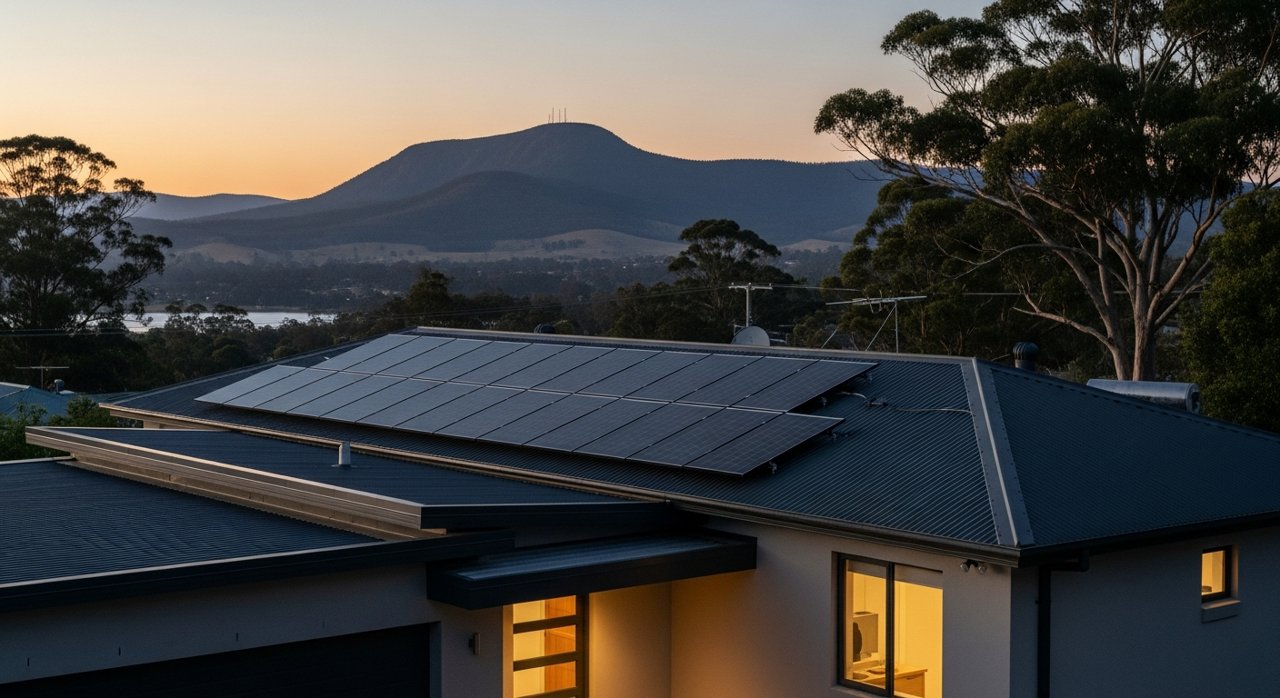
Quick answer: on Aurora Energy’s Residential Peak & Off-Peak plan (network Tariff 93), peak is weekdays 7am–10am and 4pm–9pm. During daylight saving those windows move one hour later, to 8am–11am and 5pm–10pm. Every other hour is off-peak, including the whole weekend.
Daylight saving runs from the first Sunday in October to the first Sunday in April, so the daylight-saving times apply from early October to early April.
What time is off-peak in Tasmania?
| Tariff 93 (Aurora Peak & Off-Peak) | Standard time (April–October) | Daylight saving (October–April) |
|---|---|---|
| Morning peak, weekdays | 7am – 10am | 8am – 11am |
| Evening peak, weekdays | 4pm – 9pm | 5pm – 10pm |
| Off-peak | All other weekday hours | All other weekday hours |
| Weekends | Off-peak all day | Off-peak all day |
That adds up to 40 peak hours a week out of 168, so about three-quarters of the week is off-peak. Aurora’s published times split the week into Monday–Friday and weekends and don’t mention public holidays, so check with your retailer.
In 2026–27, Aurora’s standing price is 36.19c/kWh at peak and 17.02c/kWh off-peak (including GST), plus a daily supply charge of 172.35c, so peak power costs a bit over twice as much. The full rate table is in our Tariff 93 guide.
What are the Tariff 97 times (super off-peak)?
Tariff 97 is TasNetworks’ newer, opt-in tariff for homes with solar, a battery or an electric vehicle. It has three rates:
| Tariff 97 | Times |
|---|---|
| Super off-peak | Midnight – 4am, every day including weekends |
| Peak | Weekdays 7am – 10am and 4pm – 10pm |
| Off-peak | All other times |
TasNetworks defines these times in Australian Eastern Standard Time, so check your retailer’s plan for the clock times during daylight saving. Two things to know before switching. The evening peak runs an hour longer than Tariff 93’s, and there is an extra charge on days your home draws more than 8.5 kW for a half-hour stretch. TasNetworks says about 97% of households currently stay at or under 8.5 kW, so most homes won’t pay it. Aurora doesn’t currently sell a Tariff 97 plan, so you would need a retailer that does. Our electricity plans guide lists who offers one.
What about Tariffs 31 and 41?
They have no peak or off-peak times. Tariff 31 (light and power) and Tariff 41 (heating and hot water) are flat rates: the same price at 3am as at 6pm. They closed to new connections on 30 June 2024. Homes already on them can stay, but Aurora says you can’t return to them once you switch. If a home on Tariffs 31/41 gets a new digital meter, it has 12 months to tell its retailer it wants to stay on them; otherwise it moves to Tariff 93. If your bill shows 31 and 41, the time of day doesn’t change what you pay. The same applies to Tariff 32, a new flat Single Rate tariff Aurora has offered since 1 July 2026. A separately wired Tariff 62 circuit (often hot water) only gets power from 10pm to 7am.
What is the cheapest time to use electricity in Tasmania?
On Tariff 93, any off-peak hour costs the same, so the cheapest power is:
- Weekdays between the peaks. From the end of the morning peak to the start of the evening peak (10am–4pm in standard time, 11am–5pm in daylight saving). If you have solar, this is also when your panels make the most, so this power costs you only the feed-in credit you give up.
- Overnight, after the evening peak ends.
- Any time on weekends.
On Tariff 97 the cheapest window is the midnight–4am super off-peak, which is why it suits batteries and EVs that can be set to charge on a timer.
When is the best time to run the washing machine and dishwasher?
With solar, run them in the middle of the day. On Tariff 93, solar you use at home saves the 17.02c/kWh off-peak rate, almost twice the 9.276c/kWh minimum feed-in tariff you’d earn by exporting it (2026–27). Without solar, any off-peak time works, but avoid the two weekday peaks, when power costs 36.19c/kWh. Most dishwashers, washing machines and heat-pump hot water systems have a delay-start timer, and that is the simplest way to stay out of peak.
How does solar fit with peak and off-peak times?
Solar panels produce most from late morning to mid-afternoon, which sits inside the off-peak window. So solar mainly offsets off-peak power, and does little for the 4pm–9pm evening peak (5pm–10pm in daylight saving), when the sun is going down.
This is why a battery and the evening peak are often talked about together. A battery stores surplus daytime solar and runs the house through the evening peak instead of importing. Whether that pays for itself in Tasmania is a separate question. Our guide to battery storage in Tasmania works through it.
How do I check which tariff I’m on?
Look at your bill: the tariff number (31, 41, 93 or 97) is printed next to each usage line. If you see separate peak and off-peak usage lines, you’re on a time-of-use tariff.
This guide is written by the Tasmanian solar team at Solar Generation Tasmania. Tariff times and rates are set by TasNetworks and retailers and can change each financial year, so check your own bill or your retailer’s current price sheet.
#solargentas #solargen #solargenerationtasmania
Published by Solar Generation Tasmania. General information current as at publication — rebates, tariffs and prices change, so confirm current figures before deciding.
Thinking about solar for your place?
Tell us a little about your home and a local Tasmanian installer will put together a free, no-obligation assessment — system, battery and the rebates you qualify for.
- Honest advice for Tasmanian conditions (Zone 4 sun, hydro grid)
- We apply every rebate you’re eligible for
- Local installers — not a mainland call centre
- SAA-accredited, with degree-qualified owners and 10+ years in tech & solar